Electronics recycling serves a crucial function in environmental protection and responsible resource conservation. Many individuals are unfamiliar with the proper steps to take when getting rid of old devices. Understanding how to prepare electronics for recycling can make a significant difference. This guide offers important information into responsible disposal methods. It raises important questions about what happens to discarded devices and the impact on our planet. The journey of electronics recycling begins now.
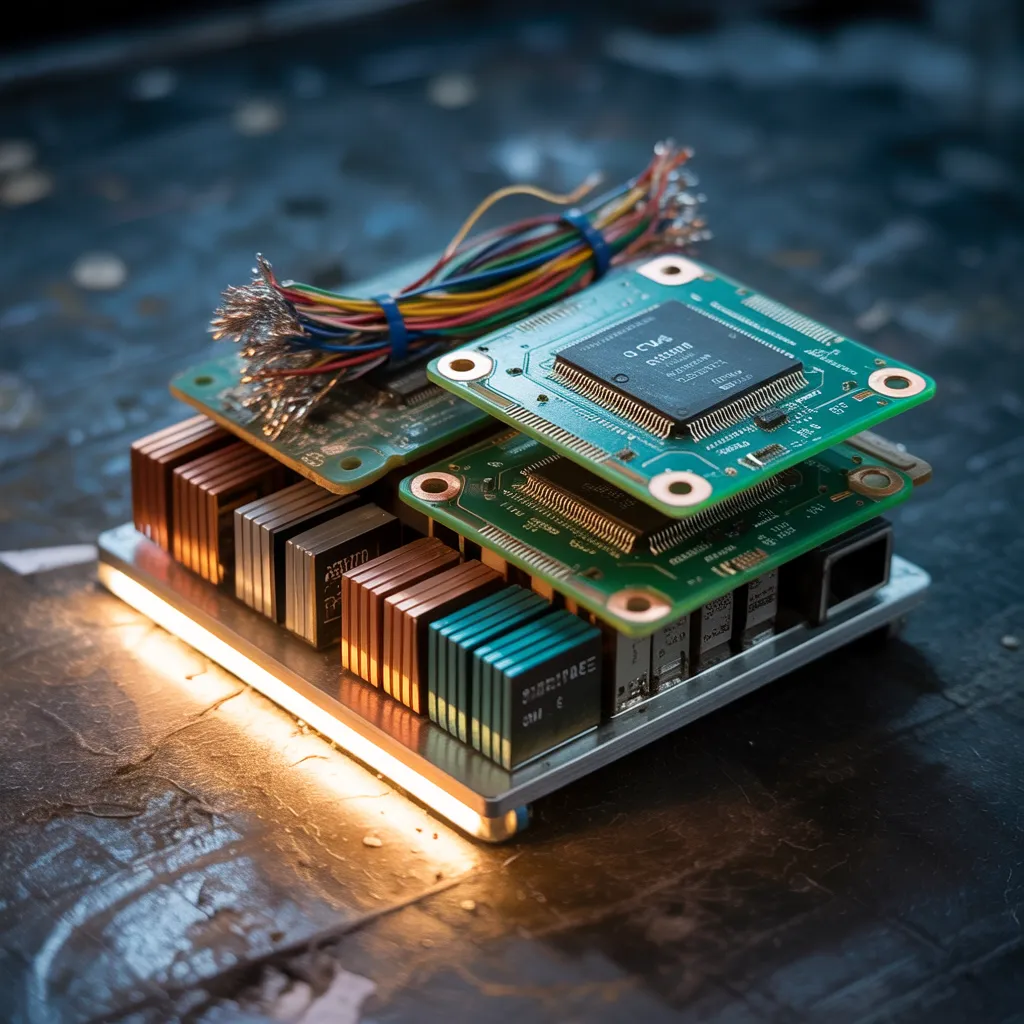
How Technology Waste Recycling Benefits the Ecosystem
Although many individuals may not recognize it, electronics recycling plays an crucial role in protecting the environment. As technology progresses, the volume of electronic waste continues to grow, posing significant ecological challenges. Improper disposal of devices can result to harmful substances, such as lead and mercury, contaminating soil and water sources. By recycling electronics, precious materials like metals and plastics can be retrieved and reused, thereby reducing the need for virgin resources and minimizing energy consumption connected with manufacturing.
Additionally, recycling assists to decrease the environmental impact connected to waste disposal. It moves e-waste away from landfills, where it may take hundreds of years to break down. This initiative not only conserves raw materials but also encourages a more environmentally responsible future. Through ethical electronics recycling, communities and individuals can make a difference to a healthier planet, ensuring that advancements in technology do not come at the cost of ecological integrity.
Guidelines to Condition Your Previously Used Devices for Recovery
Readying old devices for disposal involves key information several important steps to guarantee data protection and adherence with guidelines. First, archiving essential data is necessary, followed by the removal of personal information to preserve privacy. Finally, consulting the manufacturer's recycling guidelines helps validate responsible disposal.
Save Your Data
Before discarding old equipment, it is necessary to save any valuable data. Users should link their devices to a computer or use cloud storage services to confirm all important files, photos, and documents are saved. For smartphones and tablets, using built-in backup features facilitates the process. Users can also opt for transferring data to portable storage drives or USB flash drives for additional security. It is wise to check that the backup is complete and accessible before beginning recycling. This step not only secures key files but also provides a smooth change to new devices. Spending time to save data helps in preventing potential loss and enables a more safe recycling experience.
Remove Private Information
After securing important data, users must act to eliminate personal information from their outdated gadgets. This procedure usually starts with logging out of accounts and deactivating features such as Find My Device. Next, people should execute a factory reset, which removes all data and resets the device to its original settings. For additional security, it is recommended to encrypt the device before resetting it; this adds a layer of safeguarding against data recovery. Users should also extract any external storage, such as SD cards, to confirm that no personal files remain. Finally, checking that personal information has been thoroughly removed is essential, as this step verifies the device is ready for responsible recycling.
Examine Manufacturer Guidelines
Verifying vendor instructions is important for making sure that pre-owned equipment are correctly readied for disposal. Various manufacturers typically have comprehensive guidelines regarding the recycling process, which may contain customized breakdown methods or recommendations for secure disposal of components. By reviewing these guidelines, consumers can identify any required steps to remove batteries or hazardous materials safely. Moreover, certain manufacturers provide take-back initiatives, enabling customers to return their products directly for responsible reuse. Observing these instructions not only helps protect nature but also decreases safety concerns related to improper elimination. As a result, customers should prioritize studying and following producer guidelines as a key step in the recycling process. This method promotes responsible device reuse overall.
What Kinds of Electronic Devices Can Be Recycled?
E-waste handling encompasses a varied assortment of products that can be processed to obtain valuable materials and lower environmental impact. Traditional recycled products consist of smartphones, laptop computers, desk computers, and tablet computers, which all include rare metals and materials that can be repurposed again. Likewise, televisions, video displays, and printers form part of the recycling spectrum, as they frequently feature dangerous compounds including lead and mercury.
Small devices such as microwaves, toasters, and coffee makers can also be recycled, although they may require expert care. Batteries, especially lithium-ion types found in many electronics, are essential to recycle due to their toxic nature. Audio and video equipment, including stereo systems and cameras, can additionally add to the recycling stream. Overall, many electronic devices are suitable for recycling, helping to promote sustainability and reduce the harmful effects of e-waste.
Identifying Your Adjacent Electronics Reclamation Center
Finding a nearby electronics e-waste facility is crucial for responsible disposal. Local recycling options may vary, providing different offerings and materials they take. Online locator tools offer a easy method to identify these centers based on one's location.
Local Waste Management Solutions
Finding nearby disposal alternatives is vital for responsible electronics disposal. Many areas provide specialized recycling facilities that accept a wide range of electronic devices, such as computers, televisions, and smartphones. These centers often provide safe handling and treatment of hazardous materials contained within electronics, thereby minimizing environmental impact. Local governments may also organize periodic e-waste collection events, enabling residents to drop off their old electronics at convenient locations. Furthermore, some retailers offer take-back programs, enabling consumers to give back used devices when buying new items. By using these community options, individuals can guarantee their used electronics are disposed of responsibly, promoting environmental conservation and decreasing the burden on landfills. Engaging with nearby recycling options fosters community responsibility and environmental stewardship.
Web-Based Location Tools
Several internet-based locator tools streamline the task of locating adjacent electronics recycling centers. These websites allow users to input their location and receive a compilation of reachable recycling facilities. Websites such as Earth911 and the EPA's recycling locator deliver recent information on local drop-off points and events. Additionally, some manufacturers offer their own recycling programs, which can be discovered through their official websites. Users can frequently filter results based on the types of devices they wish to recycle, ensuring they find appropriate centers. By utilizing these tools, individuals can make informed decisions about recycling their electronics, contributing to environmental sustainability while ensuring compliance with local regulations. This accessibility encourages responsible disposal of outdated devices.
Utilizing Manufacturer Take-Back Programs
Shoppers are increasingly seeking green alternatives to handle electronic waste, and manufacturer take-back programs deliver a conscientious choice for recycling old devices. Often driven by major electronics companies, these schemes allow consumers to return their previously-used products directly to the firm. Engaging in these programs lets individuals to guarantee that their gadgets are thrown away in an sustainable fashion.
Several manufacturers institute authorized return centers or cost-free shipping documentation, transforming the process uncomplicated. Additionally, these programs often focus on conscientious waste management, assuring that goods are recovered and reused rather than becoming landfill burden. Many companies equally draw in customers by offering discounts or credit toward future purchases. This method not only aids in reducing digital refuse but also strengthens a culture of sustainability. When all is said and done, making use of manufacturer take-back programs empowers end users to make positive strides for the environment while properly disposing of their electronic devices.
Safe Data Elimination Tips for Electronics Reuse
Ensuring safe data destruction is a key step in the electronics recycling process. It's important for individuals to realize that simply deleting files or a factory reset does not ensure complete data removal. Using data-wiping software that meets industry standards, which overwrites data several times, is an effective method. For devices that cannot be reused, physically destroying the storage medium—whether by shredding or incineration of hard drives—prevents data recovery.
Before recycling, users should extract any SIM cards and memory cards, which frequently contain personal information. Additionally, documenting the information elimination process can deliver peace of mind, especially for businesses handling sensitive information. In conclusion, individuals are urged to consult qualified e-waste recyclers who adhere to best practices for data destruction, guaranteeing responsible handling of electronic devices. By adhering to these steps, people can protect their personal information while contributing to a more sustainable recycling process.
What Transpires to Your Equipment: A Waste Management Guide
After confirming data is safely eliminated, the journey of electronic devices toward recycling starts. Devices are ordinarily gathered at specified collection points or through return initiatives. Once assembled, they are transported to processing centers where they endure a comprehensive classification procedure.
At these centers, devices undergo dismantling to separate valuable materials such as metals, plastics, and glass. Dangerous parts including batteries and circuit boards are meticulously managed to prevent environmental contamination.
The reusable materials are then processed: metals are melted down, plastics are converted to granules, and glass is shattered for reuse.
Ultimately, the recovered materials are provided to manufacturers who will incorporate them into new products, effectively closing the loop of the recycling process. This journey not only protects resources but also reduces electronic waste, making sustainable recycling essential for sustainability.
Routine Inquiries That Are Requested Often
May I reuse electronic items That Are Broken or Damaged?
Yes, broken or damaged electronic items can frequently be recovered. Many recycling facilities accept these items, guaranteeing they are processed safely. Individuals should check local guidelines to find suitable recycling options for their specific electronics.
What Expenses Might Be Associated With Electronics Recycling?
Yes, there may be expenses related to electronics waste management, contingent on the facility and the category of item. Some establishments levy fees for certain products, while others might provide complimentary recycling services for specific electronics.
How Often Should I Recycle My Old Electronics?
Authorities advise recycling old electronics every one to two years, especially if they are no longer operational or newer. Frequent reprocessing helps cut down on electronic waste and bolsters environmental responsibility, making sure responsible handling of outdated devices.
The Destination of Reusable Items Following Gathering?
Once retrieval is complete, recyclable materials are categorized, refined, and turned into raw materials. These substances are subsequently marketed to manufacturers, who manufacture new products, decreasing refuse and protecting natural supplies in the electronics lifecycle.
Should Companies Recycle Electronics in the Same Way as Private consumers?
Yes, corporations can process electronic devices in a similar manner to individuals. They frequently have connections with specialized services and comprehensive recycling solutions, ensuring appropriate waste management and compliance with regulations, while contributing to environmental sustainability and material reclamation programs.